Planning flatbed hire in Bolton
Hiring an open-bed vehicle in Bolton often comes down to one practical question: where will it stop when it arrives? A dropside suits timber, boards, pallets, fencing and tools because the sides fold down and goods can be reached from more than one angle. That advantage only helps if the destination has room for the sides to open and a safe place for people to work. This page is written for householders, trades and businesses planning deliveries to a shop, unit or workshop, particularly where the same address will be visited more than once.
The guidance below covers choosing a bed size, deciding whether a brief loading stop is enough or whether you need a reserved position for the day, reading zone signs, restraining the load and understanding the difference between licence categories and payload. Vehicle details shown are representative categories. The supplier you book with should confirm the allocated vehicle, its plated weights, its equipment and the terms that apply before you commit to a collection time.
Repeat deliveries to a shop or workshop usually follow one of two patterns. Some are a quick drop: the vehicle pulls in, a pallet or a few lengths of timber come off, and it leaves. Others keep a crew going back and forth for most of the day while a unit is fitted out or stock moves in stages. Decide which pattern you have before you book, because the second needs a planned, permitted position rather than a stop you hope nobody questions.
Choosing the right open bed for the job
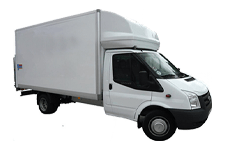
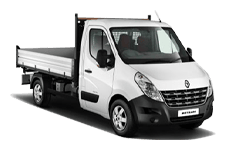
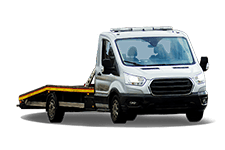
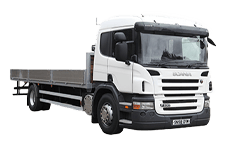
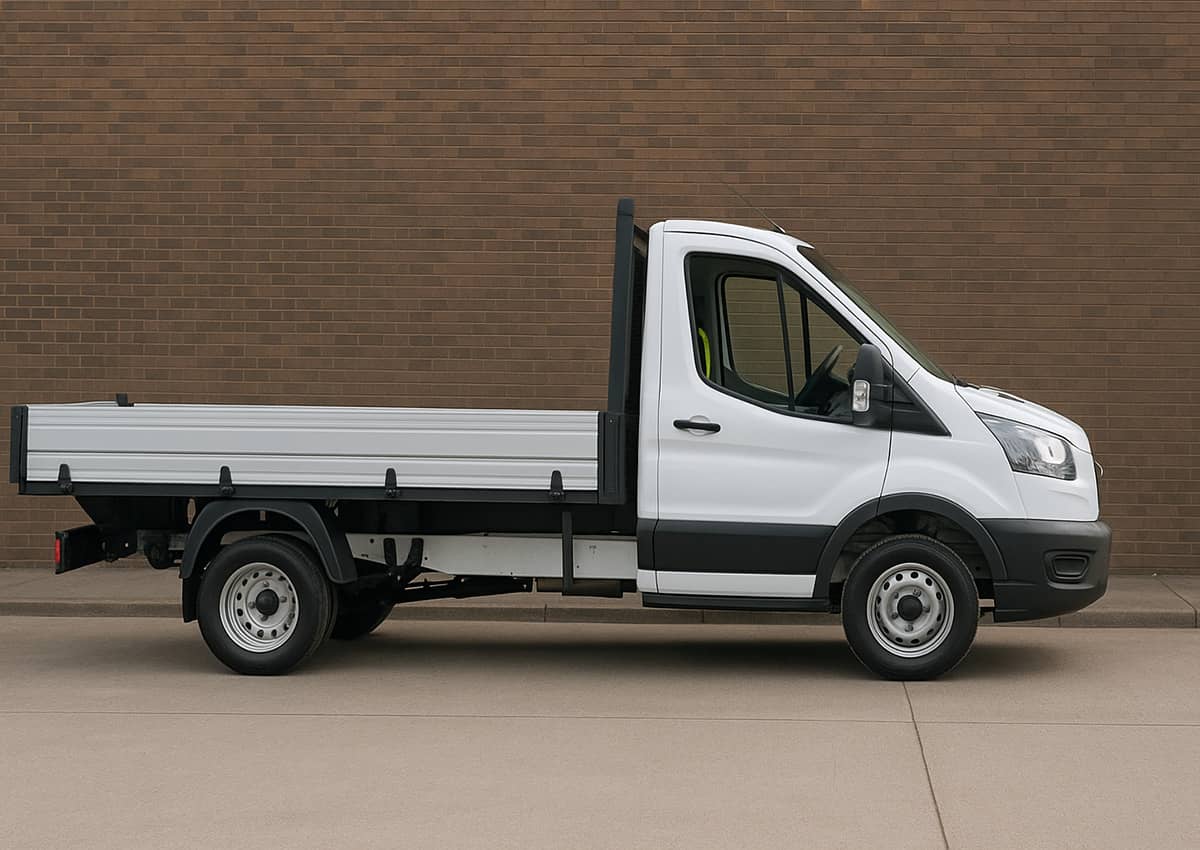
Start with the longest item and the heaviest combined load, not the vehicle name. A 3 metre dropside is a compact category that suits boards, fencing, bagged materials and smaller machinery where a lorry would be awkward on a narrow frontage. A 4 metre dropside adds deck length for pipe, long timber or pallets laid end to end. A dropside with a tail lift is worth discussing when goods are palletised or wheeled and the destination has no loading dock.
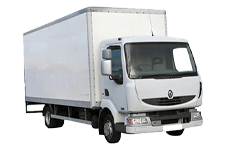
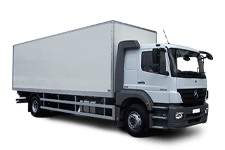
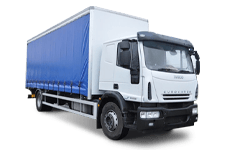
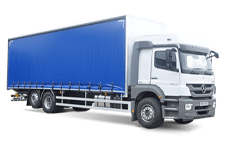
A 7.5 tonne dropside lorry offers a longer, wider bed for scaffolding, multiple pallets or larger site supplies, but it brings a different licence requirement, a bigger footprint at the kerb and possible commercial-use conditions. Published bed lengths and payload figures for each category are representative only. Ask for the allocated vehicle's actual body dimensions, payload and any tail-lift rating in writing, because a bed a few centimetres narrower can change how pallets sit.
Sources: Nationwide Hire UK: 3 metre dropside, Nationwide Hire UK: 4 metre dropside, Nationwide Hire UK: dropside with tail lift, Nationwide Hire UK: 7.5 tonne dropside
A short unloading stop is not the same as a working position
If the job is the day-long kind, a vehicle sitting for hours in a pay-and-display bay is being used as a work area. Bolton Council lists bay suspensions among the options for contractors loading and unloading throughout the day at adjacent premises, which is the right route to explore instead of simply occupying a bay.
Applications need at least two working days before the suspension starts. Apply before you fix a collection time, then set the hire start and your crew's shift around the approved date. A suspension is not a general access permission, so still confirm current signs, access and set-down arrangements with the destination.
No yellow lines does not mean no restrictions
Parts of Bolton operate as restricted parking zones, where waiting and loading restrictions apply even though no yellow lines have been painted. The prohibited times are shown on the zone entry sign, so a clear-looking street can still rule out loading at the hour you plan to arrive.
Before a loaded vehicle enters the final street, have someone read the entry sign and note the times, or photograph it on an earlier visit. If the times clash with your delivery, move the arrival slot, agree an off-street position with the receiving business, or look at the suspension route described above. A quiet road or an empty kerb is not permission to stop and drop the sides.
Match the bed to the stopping place and brief the receiving crew
A long bed only helps if the stopping place takes it with a side lowered and people standing clear of traffic. Measure the signed bay or agreed position, allow room for the side you plan to open, and check whether anything projects beyond the body. Rear or side projections can bring marking duties and sometimes advance notice, depending on the measured overhang, so check the current guidance for the real load.
At the receiving end, aim for a clear, level area where the vehicle stands stably, and agree arrangements in advance. Tell the shop or workshop your arrival window, who will handle the goods, whether a pallet truck or forklift is available and where items go. On sloping or shared ground, pick a smaller bed or another position, and keep people clear of a raised tail lift or a side being lowered.
Sources: HSE: safe loading and unloading, DVSA and DfT: overhanging loads on vehicles
Restraining the load and working from the side
Folding sides make side loading easy, but they are not a restraint system on their own. DVSA guidance expects a load to be secured for the journey with a method suited to the actual goods and vehicle, and says weight or friction alone is not enough. Check the platform, body and anchorage points before loading, and use suitable attachment points rather than sheeting or rope hooks.
Place heavy items low and central, butt the load against the headboard where one is fitted, and use straps, chocks or friction matting that suit the goods. Ask the supplier whether any restraint equipment comes with the vehicle, as that cannot be assumed. After each drop on a multi-stop day, recheck the straps and rearrange what remains so nothing drifts towards a side that will be opened next.
Sources: DVSA: securing loads on HGVs and goods vehicles, DVSA: load securing basics, DVSA: ways to secure a load
Licence categories, plated weight and payload
A category B car licence generally covers vehicles up to 3.5 tonnes maximum authorised mass, while C1 covers vehicles above 3.5 tonnes up to 7.5 tonnes. Check the categories shown on each driver's current licence against the allocated vehicle's plate, and ask about any age or experience conditions the provider sets before you name a driver.
Maximum authorised mass, also called gross vehicle weight, is the most the loaded vehicle may weigh, normally shown on the plate or sticker. It is not the cargo allowance. Payload is what remains once the vehicle itself, driver, passengers, pallets and packaging are counted, and individual axle limits matter too. For heavy or uncertain loads, total the weights beforehand and use a weighbridge if in doubt.
Sources: GOV.UK: driving licence categories, GOV.UK: vehicle weights explained, DVSA: HGV overloading basics
What to confirm with the supplier before collection
Deposits, mileage, insurance, damage liability and permitted use vary between providers. Published terms from one hire company show the kind of conditions worth looking for, but they do not govern your booking. Read the confirmed terms and booking documents from the company you actually hire from, and ask about anything the paperwork leaves unclear before the day.
Confirm the allocated vehicle's dimensions, payload, tail-lift rating if fitted, restraint equipment and any limits on where or how it may be used. If your route passes through areas with emissions or access rules, check the specific vehicle yourself rather than assuming it complies. Having those answers in writing makes the day at the kerb far simpler for you and the receiving crew.
Sources: Third-party reference: Nationwide Hire UK terms and conditions